Lieu et Histoire Patrimoine Architectural Paysage de Bourgogne À Propos
Venir au Chateau de Pierreclos
Situé en Bourgogne, sur la Route des vins et de la Vallée de la gastronomie, le château viticole de Pierreclos est une destination incontournable pour les amateurs de vins.
Idéalement placé à proximité de Mâcon, de la Roche de Solutré et de l’Abbaye de Cluny, il offre un accès facile grâce à sa proximité avec les grands axes Paris-Lyon-Marseille et Centre-Est-Atlantique.
Le domaine est accessible en 90 minutes en TGV depuis Paris jusqu’à la gare de Mâcon Loché.
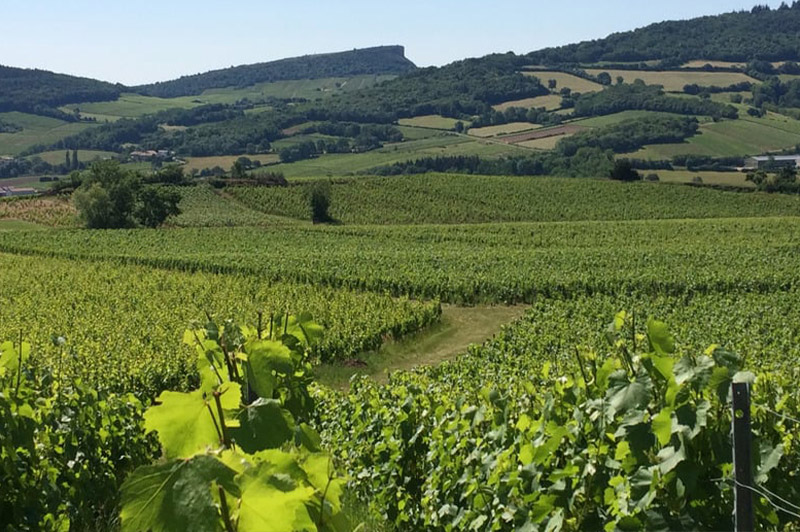
Le « Clos de Pierre » ou « Petra Clausa » est le nom historique donné au rocher de Pierreclos où la vigne est plantée depuis le VIe siècle.
Comme un jardin attaché au château de Pierreclos, le domaine de 11 hectares de vignes est cultivé en famille dans le respect de l’agriculture biologique.
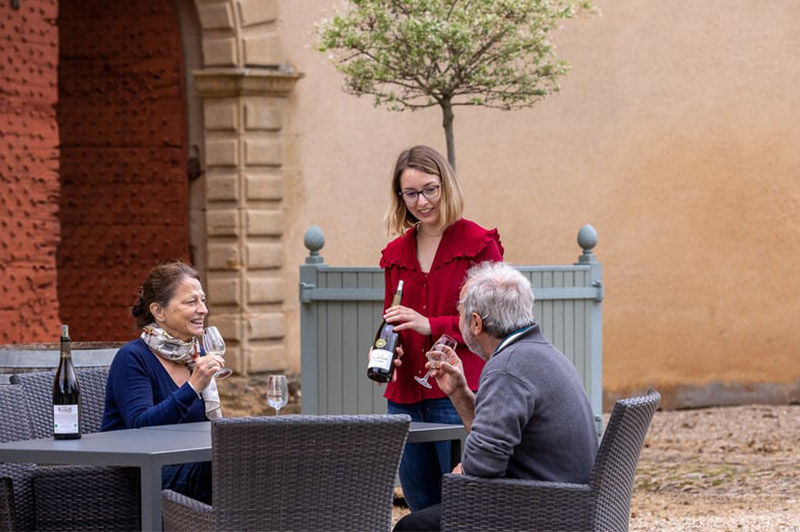
Issus des meilleurs climats, tous nos vins dont le Pouilly-Fuissé Premier Cru sont élevés et mis en bouteille avec l’âme des grands Chardonnay de Bourgogne.
Le château de Pierreclos est idéalement situé au Sud de la Bourgogne Cela vous permettra de séjourner dans la région pour y découvrir sa culture et sa gastronomie. C’est aussi une étape idéale sur la route des vacances tout en offrant un cadre paisible et ressourçant.
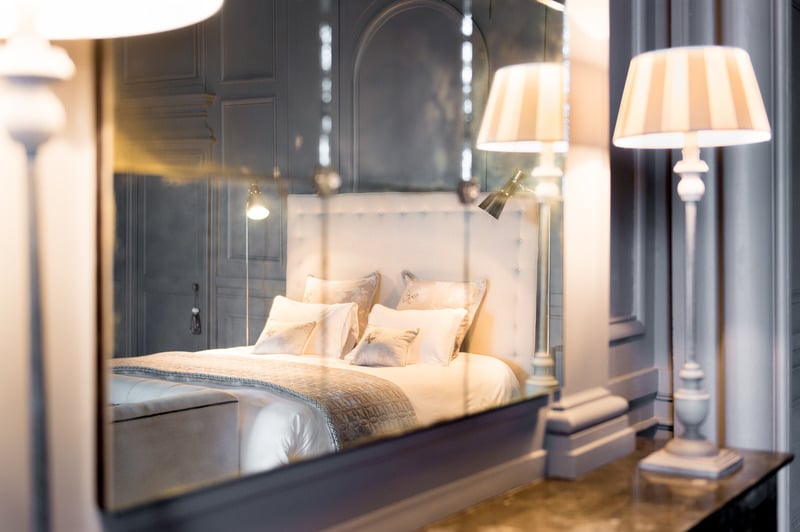
Les chambres d’hôtes et suites sont situées dans l’enceinte du château pour se nourrir de l’esprit des lieux et de la vue sur le vignoble ou les collines environnantes.
Si vous êtes plus nombreux, optez pour la Maison d’Amis, qui peut accueillir jusqu’à 20 personnes. Elle est idéale pour un séjour à la campagne afin de se retrouver en famille ou entre amis.